
Journey of the Seneca Chief
 Across New York, thousands and thousands of people are remembering one of the great engineering projects in American History: the opening of the Erie Canal. The water highway that linked the east coast with the midwest — and the frontier beyond, opened in the fall of 1825. Governor DeWitt Clinton, who championed the construction of the canal, marked the event by riding from Buffalo to New York City on the canal boat Seneca Chief.
 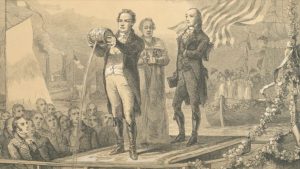 He took water from Lake Erie, and dumped it in the Hudson River. It was called the “Wedding of the Waters.” Suddenly the East coast was connected to the rest of the nation, and America never looked back.
On the 200th anniversary, the history is remembered by a new Seneca Chief canal boat, taking the same journey Clinton took two centuries ago.
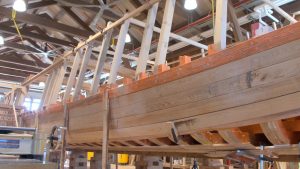 The new boat was built by hundreds of volunteers at the Buffalo Maritime Center in Buffalo. The 33 day journey visits all the big cities and small towns that got their start from the canal. At each stop, big crowds have come out to take part in the historic second journey of the Seneca Chief. Now, instead of the “Wedding of the Waters,” the crew is “Gathering” water at each stop — and planting trees along the way. The “Gathered” water will be used to water a White Pine tree being planted in New York City. And in the past 200 years, much has been learned about the negative impact the canal had on the indigenous people of New York, displaced by the canal and their way of live changed. So the new journey is a great way to learn both sides of the story.
 The new Seneca Chief, and the journey back across the canal was an idea hatched by the former president and founder of the Buffalo Maritime Center, Dr. John Montague. In a brief speech before the trip began in Buffalo, he said “The whole point of this was community, creating community. Bringing people together.” On the banks of the Erie Canal, that is just what happened, as thousands turnout to share the experience
Along the canal before the bicentennial year, historic places were spruced up, and nowhere is that as dramatic as the Flight of Five in Lockport, New York. Here the canal had to climb up the escarpment — the very cliff that nearby Niagara Falls flows over. For years, the community, spearheaded by the Lockport Locks Heritage District, has done fundraising and volunteer work to restore the old locks and gates used on the canal in the 1800’s. In the summer months, a group of volunteers actually operates the old lock gates in a public demonstration to show how everything was accomplished by hand back in the day.

In 2023, they installed a marquee piece of artwork to honor the workers that built and ran the canal. The Lock Tenders Tribute Monument, is a 16 piece, life size bronze sculpture that brings to life in 3D, a photograph of the lock tenders captured in 1897. Crafted over several years by New York artist, Susan Geissler, the monument has in fact captured the imagination of tens of thousands of visitors to the canal each year. The old mule path along the canal has become a world class bike riding destination, and the monument is a photograph every visitor wants to take home.
We are actually on the third iteration of the waterway, called the Barge Canal. It was built in the early part of the 20th century. It’s wider than the first canal, and the locks and gates are much larger and use electricity. Most important, it is still used today, so you can still experience the feel of the canal from 1825. All along the trip, you will learn about this critical water highway that did much to shape American History and by many accounts fueled the industrial revolution.
In large cities and small towns you can find special many places that tell the canal story. The Erie Canalway National Heritage Corridor is a great listing of many of the historic canal sites. In Buffalo, a visit to Canalside, will take you to the original western end of the canal. In Lockport, an interesting spot is The Erie Canal Discovery Center.
In Port Byron, visitors to the Old Erie Canal Heritage Park can visit by just jumping off Interstate 90 — The New York State Thruway. You can walk through an old set of locks, and in 2025 see the historic canal schooner — Louis McClure — up close. In Camillus, the half-way point on the canal, The Camillus Erie Canal Park, has restored an old aqueduct over the park, and a canal boat can take you over this piece of history. At Chittenango Landing Canal Boat Museum, you can not only see what an old canal boat would look like, you can see the actual dry docks used to work on the boats.
In Syracuse, you can visit the very spot the canal boats were weighted to set a toll. That’s at The Erie Canal Museum. But in reality, the entire canal is a wonderful piece of American History on full display. Many of the canal towns have kept their old time character. Whether you tour by boat, bike or just drive the back roads near and over the Erie Canal, you will be taking a journey back to the days when Americans by the millions, traveled into The New Frontier. This second journey of the Seneca Chief is helping a whole new generation discover this historic place.
Journey of the Seneca Chief

Across New York, thousands and thousands of people are remembering one of the great engineering projects in American History: the opening of the Erie Canal. The water highway that linked the east coast with the midwest — and the frontier beyond, opened in the fall of 1825. Governor DeWitt Clinton, who championed the construction of the canal, marked the event by riding from Buffalo to New York City on the canal boat Seneca Chief. He took water from Lake Erie, and dumped it in the Hudson River. It was called the “Wedding of the Waters.” Suddenly the East coast was connected to the rest of the nation, and America never looked back.
On the 200th anniversary, the history is remembered by a new Seneca Chief canal boat, taking the same journey Clinton took two centuries ago.
The new boat was built by hundreds of volunteers at the Buffalo Maritime Center in Buffalo. The 33 day journey visits all the big cities and small towns that got their start from the canal. At each stop, big crowds have come out to take part in the historic second journey of the Seneca Chief. Now, instead of the “Wedding of the Waters,” the crew is “Gathering” water at each stop — and planting trees along the way. The “Gathered” water will be used to water a White Pine tree being planted in New York City. And in the past 200 years, much has been learned about the negative impact the canal had on the indigenous people of New York, displaced by the canal and their way of live changed. So the new journey is a great way to learn both sides of the story.
The new Seneca Chief, and the journey back across the canal was an idea hatched by the former president and founder of the Buffalo Maritime Center, Dr. John Montague. In a brief speech before the trip began in Buffalo, he said “The whole point of this was community, creating community. Bringing people together.” On the banks of the Erie Canal, that is just what happened, as thousands turnout to share the experience
Along the canal before the bicentennial year, historic places were spruced up, and nowhere is that as dramatic as the Flight of Five in Lockport, New York. Here the canal had to climb up the escarpment — the very cliff that nearby Niagara Falls flows over. For years, the community, spearheaded by the Lockport Locks Heritage District, has done fundraising and volunteer work to restore the old locks and gates used on the canal in the 1800’s. In the summer months, a group of volunteers actually operates the old lock gates in a public demonstration to show how everything was accomplished by hand back in the day.
In 2023, they installed a marquee piece of artwork to honor the workers that built and ran the canal. The Lock Tenders Tribute Monument, is a 16 piece, life size bronze sculpture that brings to life in 3D, a photograph of the lock tenders captured in 1897. Crafted over several years by New York artist, Susan Geissler, the monument has in fact captured the imagination of tens of thousands of visitors to the canal each year. The old mule path along the canal has become a world class bike riding destination, and the monument is a photograph every visitor wants to take home.
We are actually on the third iteration of the waterway, called the Barge Canal. It was built in the early part of the 20th century. It’s wider than the first canal, and the locks and gates are much larger and use electricity. Most important, it is still used today, so you can still experience the feel of the canal from 1825. All along the trip, you will learn about this critical water highway that did much to shape American History and by many accounts fueled the industrial revolution.
In large cities and small towns you can find special many places that tell the canal story. The Erie Canalway National Heritage Corridor is a great listing of many of the historic canal sites. In Buffalo, a visit to Canalside, will take you to the original western end of the canal. In Lockport, an interesting spot is The Erie Canal Discovery Center.
In Port Byron, visitors to the Old Erie Canal Heritage Park can visit by just jumping off Interstate 90 — The New York State Thruway. You can walk through an old set of locks, and in 2025 see the historic canal schooner — Louis McClure — up close. In Camillus, the half-way point on the canal, The Camillus Erie Canal Park, has restored an old aqueduct over the park, and a canal boat can take you over this piece of history. At Chittenango Landing Canal Boat Museum, you can not only see what an old canal boat would look like, you can see the actual dry docks used to work on the boats.
In Syracuse, you can visit the very spot the canal boats were weighted to set a toll. That’s at The Erie Canal Museum. But in reality, the entire canal is a wonderful piece of American History on full display. Many of the canal towns have kept their old time character. Whether you tour by boat, bike or just drive the back roads near and over the Erie Canal, you will be taking a journey back to the days when Americans by the millions, traveled into The New Frontier. This second journey of the Seneca Chief is helping a whole new generation discover this historic place.

Subscribe to Watch it All
Subscribe to Saving Americana and get access to all of our Big Stories and other Episodes too!



Showing 1-3 of 33 results
0 Comments