
Small Town Americana: Lancaster, Pennsylvania
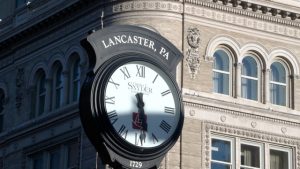
For generations, people have come to Lancaster County, Pennsylvania to learn about the Amish culture. It’s a fascinating look back to the early days of America — before electricity and gas engines, when farms were run using animals and old world tools. All over the region you can spot Amish farmers using draft horses to work the fields. You find the food, the crafts and stories of the 18th and 19th century all over this part of south central Pennsylvania.
At The Amish Village in Ronks, Pennsylvania, you can see how the Amish live, tour their farms and kitchens and ask all the questions you want. Director David Fickes, says they give people a “snapshot of Amish life.” The Amish immigrated from Europe in the 17 hundreds — coming through Philadelphia, and moving west to Lancaster because of the farmland. They brought their knowledge of farm animals, farm equipment and especially wagons with them. 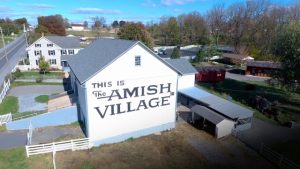
But as Jeffery Vasser, the CEO of Discover Lancaster, tells us, there is much more to do in Lancaster than just learn about the Amish.
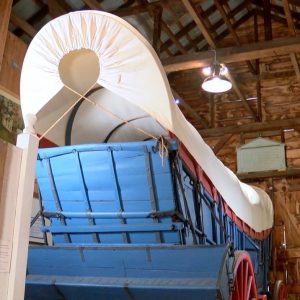 It was in this valley the famed Conestoga wagon was developed. It was used as a freight wagon to move crops and other goods to market — but also played a big role in the Revolutionary War. In the town of Conestoga, you can see the wagons at The Conestoga Area Historical Society. The large wagons had a rounded bottom to stabilize the freight load, and became a key factor in developing the early roads and turnpikes in the eastern United States.
Ffor a time, Lancaster was the largest inland city in the country. During the revolution this was also the capitol of the country for a day, when the continental congress had to flee Philadelphia when it was taken over by the British. Eventually the nearby town of York, served as capital for nearly three months.
Lancaster is also famous for the site of the first farmers market in the country. The Lancaster Central Market was started in 1730, and is still a must visit place by locals and tourists and is a great place to find Amish Food. And the city is home to the 15th president. 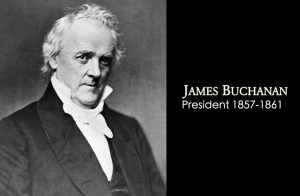 James Buchanan lived at his home called Wheatland, before and after his term in the White House – right before Abraham Lincoln took over in the lead up to the Civil War. Guided tours of the mansion are offered Mondays through Saturday.
Another famous connection for Lancaster: Robert Fulton – who built one of the first successful steamboats – later known as the Clermont. Always interested in inventions, he later help build the first steamboat to travel down the Ohio and Mississippi Rivers called The New Orleans. Almost overnight it changed commerce on the big and small rivers. Robert Fulton’s birthplace was near New Britain, where his home has been preserved. The opera house in Lancaster is named after Fulton.
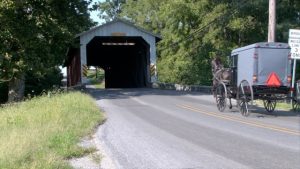 Lancaster County is also home to a large number of covered bridges — and many of the people that preserve them. At Lancaster County Timber Frames, they not only build homes and barns — but rebuild many of the historic covered bridges. Says co-founder Joe McCarthy, “we’re preserving a national treasure.”
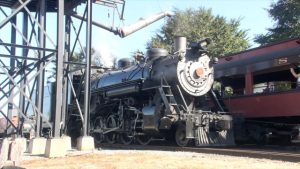 And the area is home to one of the oldest railroads in the country. The Strasburg Railroad first started running in 1832. In the early days it was to move ag products to the big cities of the east coast. Now, it’s all about the tourists. It’s just a short run — under five miles. But using coal powered steam gives people that historic flashback to the old days.
Small Town Americana: Lancaster, Pennsylvania

For generations, people have come to Lancaster County, Pennsylvania to learn about the Amish culture. It’s a fascinating look back to the early days of America — before electricity and gas engines, when farms were run using animals and old world tools. All over the region you can spot Amish farmers using draft horses to work the fields. You find the food, the crafts and stories of the 18th and 19th century all over this part of south central Pennsylvania.
At The Amish Village in Ronks, Pennsylvania, you can see how the Amish live, tour their farms and kitchens and ask all the questions you want. Director David Fickes, says they give people a “snapshot of Amish life.” The Amish immigrated from Europe in the 17 hundreds — coming through Philadelphia, and moving west to Lancaster because of the farmland. They brought their knowledge of farm animals, farm equipment and especially wagons with them.
But as Jeffery Vasser, the CEO of Discover Lancaster, tells us, there is much more to do in Lancaster than just learn about the Amish.
It was in this valley the famed Conestoga wagon was developed. It was used as a freight wagon to move crops and other goods to market — but also played a big role in the Revolutionary War. In the town of Conestoga, you can see the wagons at The Conestoga Area Historical Society. The large wagons had a rounded bottom to stabilize the freight load, and became a key factor in developing the early roads and turnpikes in the eastern United States.
Ffor a time, Lancaster was the largest inland city in the country. During the revolution this was also the capitol of the country for a day, when the continental congress had to flee Philadelphia when it was taken over by the British. Eventually the nearby town of York, served as capital for nearly three months.
Lancaster is also famous for the site of the first farmers market in the country. The Lancaster Central Market was started in 1730, and is still a must visit place by locals and tourists and is a great place to find Amish Food. And the city is home to the 15th president. James Buchanan lived at his home called Wheatland, before and after his term in the White House – right before Abraham Lincoln took over in the lead up to the Civil War. Guided tours of the mansion are offered Mondays through Saturday.
Another famous connection for Lancaster: Robert Fulton – who built one of the first successful steamboats – later known as the Clermont. Always interested in inventions, he later help build the first steamboat to travel down the Ohio and Mississippi Rivers called The New Orleans. Almost overnight it changed commerce on the big and small rivers. Robert Fulton’s birthplace was near New Britain, where his home has been preserved. The opera house in Lancaster is named after Fulton.
Lancaster County is also home to a large number of covered bridges — and many of the people that preserve them. At Lancaster County Timber Frames, they not only build homes and barns — but rebuild many of the historic covered bridges. Says co-founder Joe McCarthy, “we’re preserving a national treasure.”
And the area is home to one of the oldest railroads in the country. The Strasburg Railroad first started running in 1832. In the early days it was to move ag products to the big cities of the east coast. Now, it’s all about the tourists. It’s just a short run — under five miles. But using coal powered steam gives people that historic flashback to the old days.

Subscribe to Watch it All
Subscribe to Saving Americana and get access to all of our Big Stories and other Episodes too!

In “Small Town Americana”, we visit off-the-interstate places that seem unchanged.


Showing 1-3 of 33 results
0 Comments