
Small Town Americana: Dauphin Island, Alabama
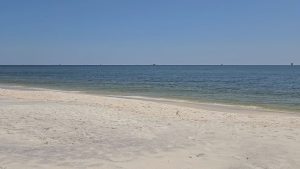
Dauphin Island, Alabama is a 15 mile long barrier island at the mouth of Mobile Bay. It’s one of the Gulf Coast islands that has not been overdeveloped — and gives people a feel of what things were like before the high rises began springing up in the fast growing region.
 The last census shows 1,788 people call this home, but the beaches are a real draw for tourists year round. It is also a great place for bird watching — being one of the first land masses birds hit as they migrate north from South America. The Audubon Bird Sanctuary is a popular place to see the wildlife on the island. A boardwalk has been built through swamps, dunes and shoreline giving folks a view of hundreds of species of birds, and an occasional alligator.
 On the east end of the island, you can tour Fort Gaines. It was built in the early 19th century to protect the mouth of Mobile Bay. It was a key part of the Battle of Mobile Bay during the Civil War. Just as the fort was finished, it was taken over by the confederates — but recaptured in the legendary battle of 1864,
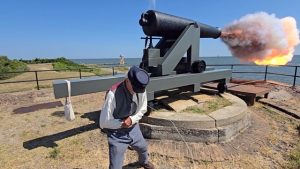
Is was here — just off shore, Admiral David Farragut shouted the famous order: “Damn the Torpedoes!! Full Speed Ahead.” That take charge attitude won the day — and helped shape the modern Navy. Some of the original canons are at the old brick fort — and re-enactors fire off the guns using black powder — dramatically demonstrating the islands history. The fort has been preserved and offers daily tours.
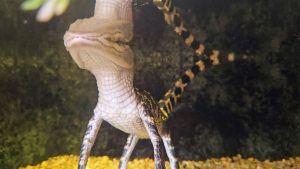
 Also on the east side of the Island, you find the Dauphin Island Sea Lab and Alabama Aquarium. The lab organizes research projects around the world — but specializes in the Gulf Coast and Mobile Bay. In the aquarium you can see what swamp life is like. You’ll can pet rays, see baby alligators, and learn many other things about the marine life of the area. It’s a popular stop for school kids and tourists for its hands-on experience.
The town and Island was first populated by the Chickasaw, Cherokee, Creek and Choctaw tribes until they were forced off the land in the early 19th century. It was discovered by Europeans in 1519 — first the Spanish and then the French. In 1699, the French made it the capitol for the entire Louisiana Territory — defined as the Mississippi river watershed. African slaves were brought to the island in the 16th century.
The name “Dauphin” Island came from Louis XV of France’s great-grandson and heir to the monarchy. “Dauphin” is French for dolphin, historically the term used as the title of the heir apparent to the French monarch.
Small Town Americana: Dauphin Island, Alabama

Dauphin Island, Alabama is a 15 mile long barrier island at the mouth of Mobile Bay. It’s one of the Gulf Coast islands that has not been overdeveloped — and gives people a feel of what things were like before the high rises began springing up in the fast growing region.
The last census shows 1,788 people call this home, but the beaches are a real draw for tourists year round. It is also a great place for bird watching — being one of the first land masses birds hit as they migrate north from South America. The Audubon Bird Sanctuary is a popular place to see the wildlife on the island. A boardwalk has been built through swamps, dunes and shoreline giving folks a view of hundreds of species of birds, and an occasional alligator.
On the east end of the island, you can tour Fort Gaines. It was built in the early 19th century to protect the mouth of Mobile Bay. It was a key part of the Battle of Mobile Bay during the Civil War. Just as the fort was finished, it was taken over by the confederates — but recaptured in the legendary battle of 1864,
Is was here — just off shore, Admiral David Farragut shouted the famous order: “Damn the Torpedoes!! Full Speed Ahead.” That take charge attitude won the day — and helped shape the modern Navy. Some of the original canons are at the old brick fort — and re-enactors fire off the guns using black powder — dramatically demonstrating the islands history. The fort has been preserved and offers daily tours.
Also on the east side of the Island, you find the Dauphin Island Sea Lab and Alabama Aquarium. The lab organizes research projects around the world — but specializes in the Gulf Coast and Mobile Bay. In the aquarium you can see what swamp life is like. You’ll can pet rays, see baby alligators, and learn many other things about the marine life of the area. It’s a popular stop for school kids and tourists for its hands-on experience.
The town and Island was first populated by the Chickasaw, Cherokee, Creek and Choctaw tribes until they were forced off the land in the early 19th century. It was discovered by Europeans in 1519 — first the Spanish and then the French. In 1699, the French made it the capitol for the entire Louisiana Territory — defined as the Mississippi river watershed. African slaves were brought to the island in the 16th century.
The name “Dauphin” Island came from Louis XV of France’s great-grandson and heir to the monarchy. “Dauphin” is French for dolphin, historically the term used as the title of the heir apparent to the French monarch.

Subscribe to Watch it All
Subscribe to Saving Americana and get access to all of our Big Stories and other Episodes too!

In “Small Town Americana”, we visit off-the-interstate places that seem unchanged.


Showing 1-3 of 33 results
0 Comments