
Saving The Old Tech
Americans in the 21st Century take so much for granted, it’s hard to imagine a time before phones, computers and social media — before television and radio — even before the days of recorded music. But up until the middle of the 19th century, sending a simple message would have been done after a long journey by foot, horse or boat. The only instant communication was talking face to face. So sending messages could take weeks, months or even years.
 That all began to change in the 19th century, with the invention of the telegraph. Several people take credit, but in the United States, May 24th 1844 is the day Samuel Morse sent the very first message between Washington D.C. and Baltimore. Using his newly devised Morse Code, he transmitted just four words: “What hath God wrought?” We’ve been trying to answer that question ever since.
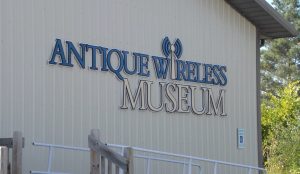
From that day forward change was fast and furious. And by the 20th century, inventors of this new technology were having a field day. But as fast as new technology was developed the old equipment became obsolete — just discarded and forgotten. Not any more. In western New York, they have gathered — and restored — some of the original technology that linked the world. The Antique Wireless Museum in Bloomfield, New York — near Rochester, has assembled a remarkable collection of early tech gear.
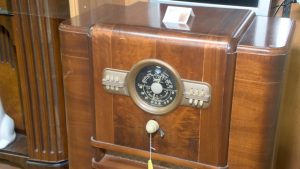
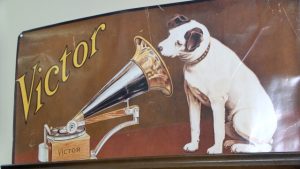
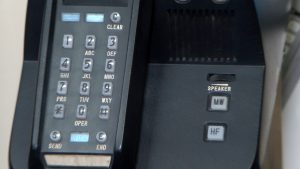 Here you will find the very first cell phone ever built. But you will also find antique radio’s and televisions, as well as early music recording devices. You can see one of the old wax cylinders developed by Thomas Edison, to record sound.
 And most important, a team of volunteers — engineers and some of the early pioneers of tech — are restoring some of this old equipment — getting many things back in working order. Here you will find a mock up of the radio room on the Titanic, where Marconi telegraph workers sent out the SOS that saved many lives as the ship was sinking. You can also see what an old Western Union telegraph office would have looked like back in the 19th Century, when all this communication technology began a long run of constant change, and constant progress.
Saving The Old Tech
Americans in the 21st Century take so much for granted, it’s hard to imagine a time before phones, computers and social media — before television and radio — even before the days of recorded music. But up until the middle of the 19th century, sending a simple message would have been done after a long journey by foot, horse or boat. The only instant communication was talking face to face. So sending messages could take weeks, months or even years.
That all began to change in the 19th century, with the invention of the telegraph. Several people take credit, but in the United States, May 24th 1844 is the day Samuel Morse sent the very first message between Washington D.C. and Baltimore. Using his newly devised Morse Code, he transmitted just four words: “What hath God wrought?” We’ve been trying to answer that question ever since.
From that day forward change was fast and furious. And by the 20th century, inventors of this new technology were having a field day. But as fast as new technology was developed the old equipment became obsolete — just discarded and forgotten. Not any more. In western New York, they have gathered — and restored — some of the original technology that linked the world. The Antique Wireless Museum in Bloomfield, New York — near Rochester, has assembled a remarkable collection of early tech gear.
Here you will find the very first cell phone ever built. But you will also find antique radio’s and televisions, as well as early music recording devices. You can see one of the old wax cylinders developed by Thomas Edison, to record sound.
And most important, a team of volunteers — engineers and some of the early pioneers of tech — are restoring some of this old equipment — getting many things back in working order. Here you will find a mock up of the radio room on the Titanic, where Marconi telegraph workers sent out the SOS that saved many lives as the ship was sinking. You can also see what an old Western Union telegraph office would have looked like back in the 19th Century, when all this communication technology began a long run of constant change, and constant progress.

Subscribe to Watch it All
Subscribe to Saving Americana and get access to all of our Big Stories and other Episodes too!

“Keepers of Americana” are the folks preserving history in museums and non-profits.


Showing 1-3 of 29 results
0 Comments